
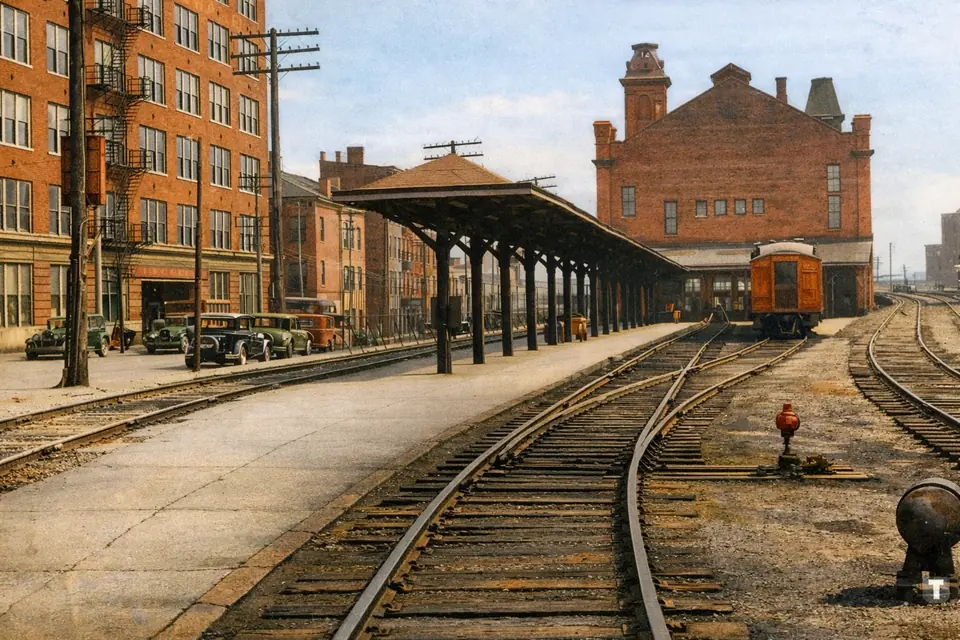
From Confinement to Creativity
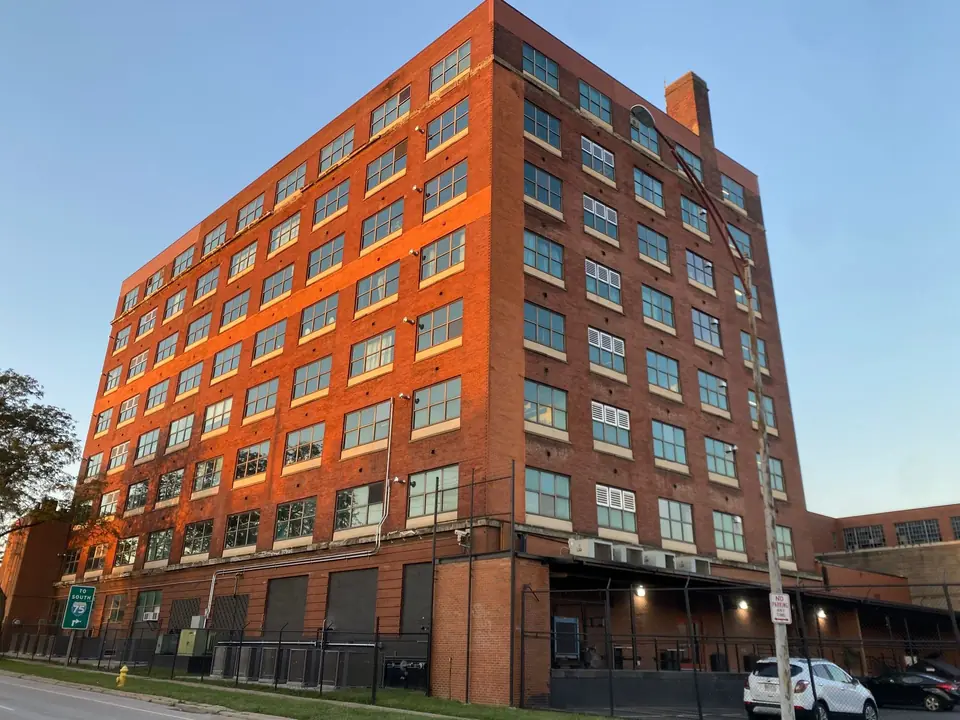
At 516 Linn Street in Queensgate, walls that once held inmates now hold opportunity.
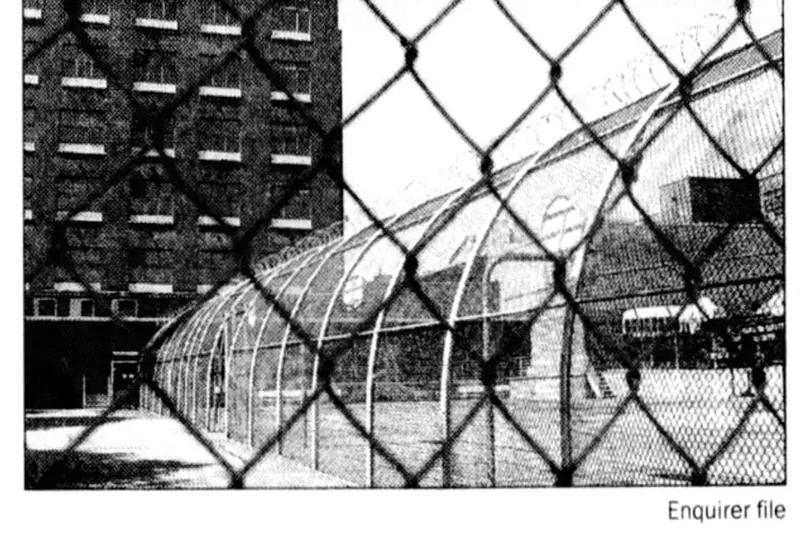
One building, many lives
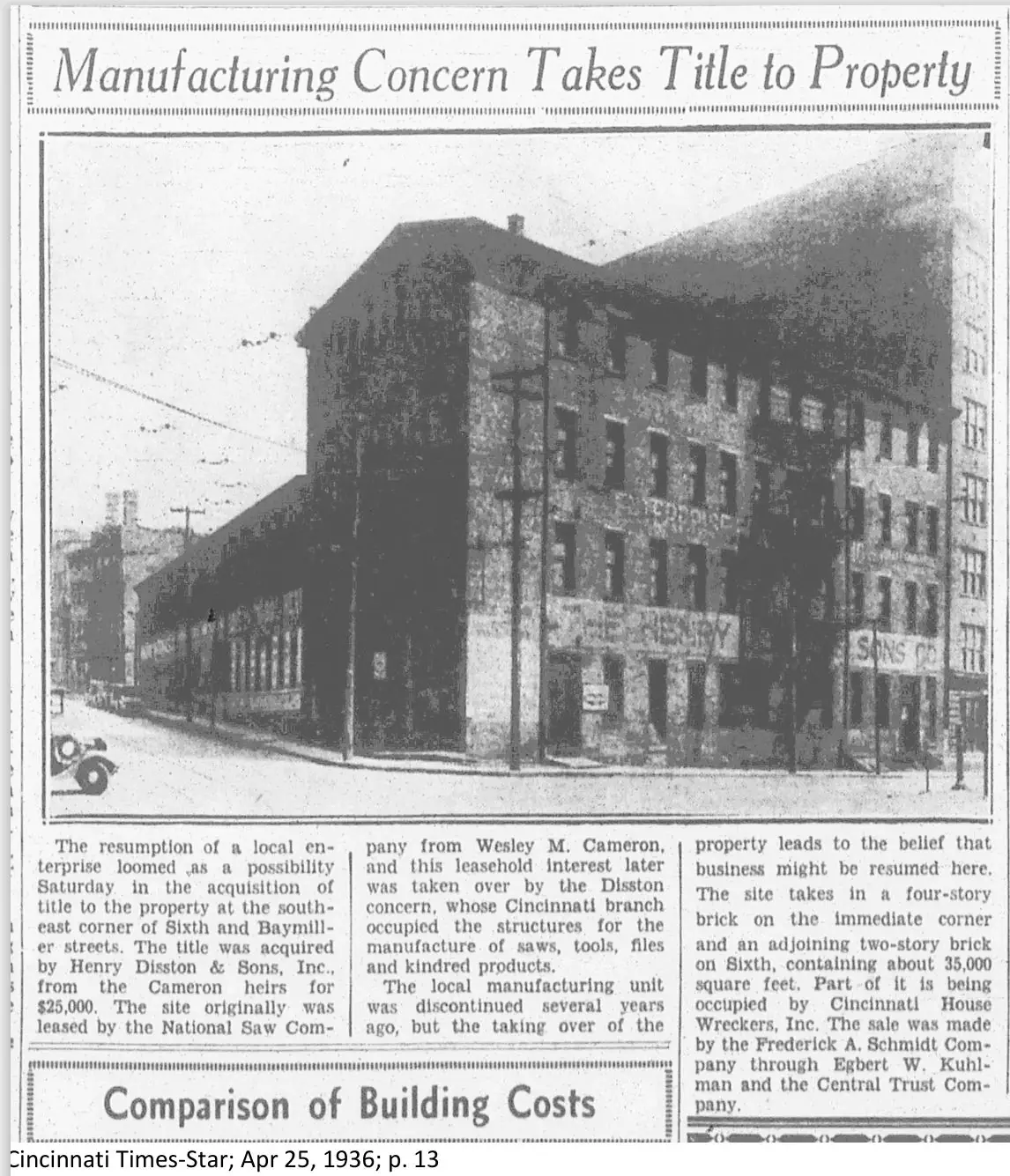
The site originated in Hathaway's Subdivision (1855), later serving Cincinnati's industrial base as Western Steam Stone Works and Henry Disston & Sons Saw Works.
By 1906 much of the current 8-story tower was built, leased to several operators as warehouse space.
By 1939, much of the site became home to Kruse Hardware Company, a durable warehouse operation that anchored the area for decades, while Auto Sun Products Company sat in what today is the north lot.
In 1992, the property was converted into a private correctional facility under U.S. Corrections Corporation and later Corrections Corporation of America, operating for 16 years.
The jail closed in 2008, leaving 516 Linn empty but intact, until Arrand Development reclaimed it in 2022, transforming confinement into creativity.
Today, LINNcinnati houses over 100 affordable studios for artists, makers, and entrepreneurs, turning a once-restrictive space into a community defined by access and expression.
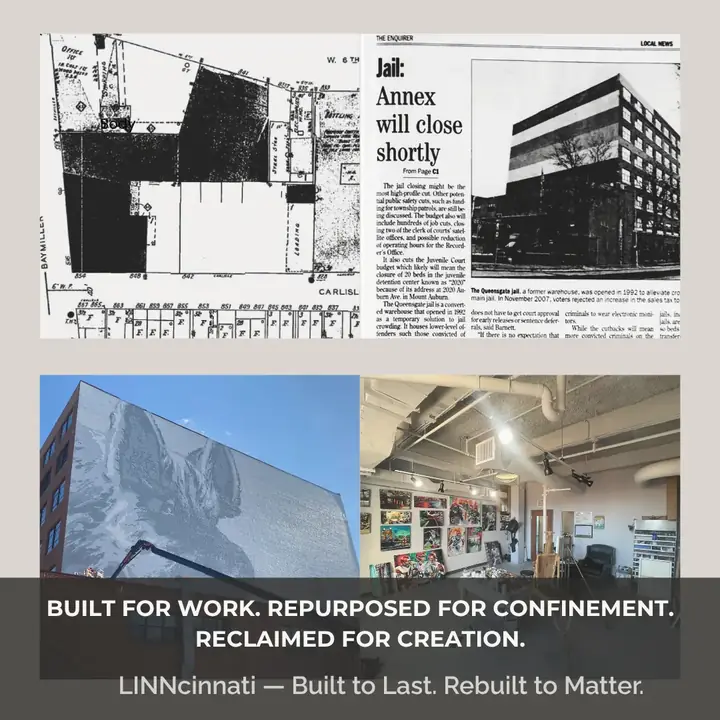
Built for work. Reclaimed for creation.
The 516 Linn Street building has served many lives. Built for work, repurposed for confinement, reclaimed for creation, it embodies the evolution of Cincinnati itself.
Each brick, beam, and barred window carries a trace of that history.
LINNcinnati doesn't erase the past. It reframes it, proving that the same space that once divided people can now bring them together.
The West End ➔ Queensgate
No single event has more impact on 516 Linn than the 1959 construction of the interstate system. Between 1959 and 1963, hundreds of buildings were destroyed and the West End divided into what today constitutes the West End and Queensgate, a new area designated for light industry abutting downtown. 516 Linn Street is one of a handful of buildings that survived this rash of "Urban Renewal."
516 Linn Street: Industry, 1891 to 1987
A collection of artifacts highlighting the history of 516 Linn St, formerly Baymiller & 6th St, from the 19th century to the present.
- 1891
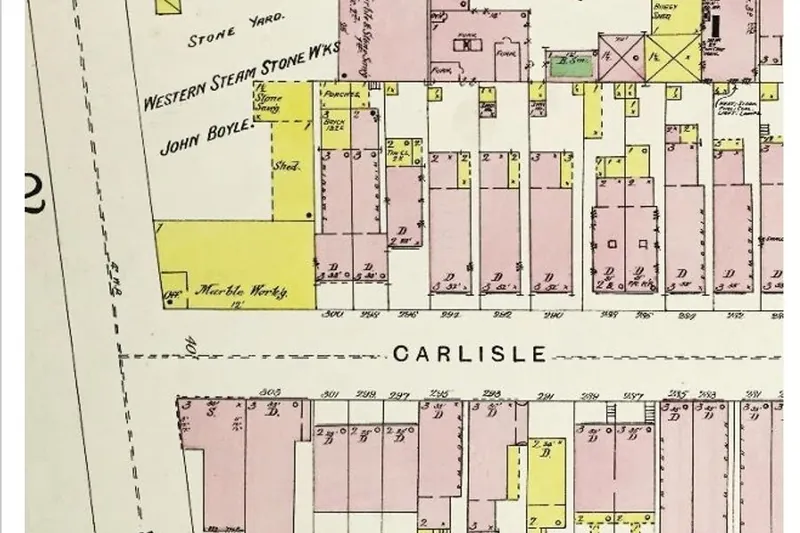
Sanborn Insurance Map
- 1905
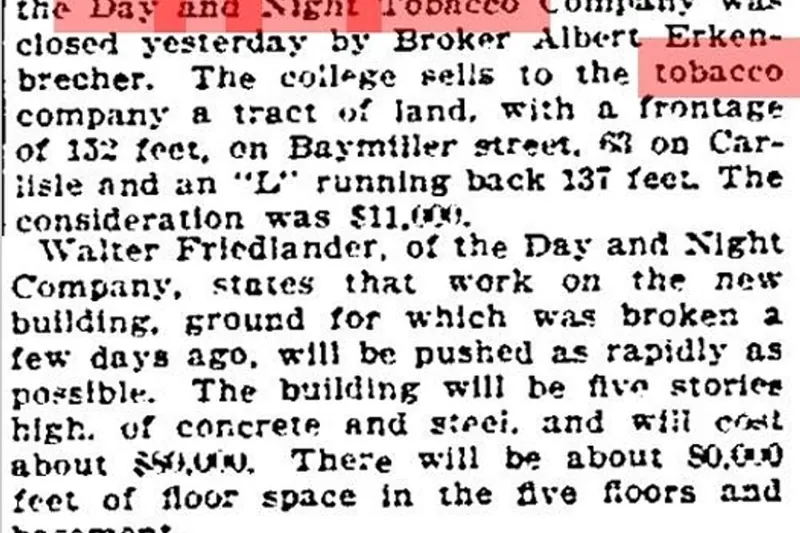
Announcement of Construction
- 1910
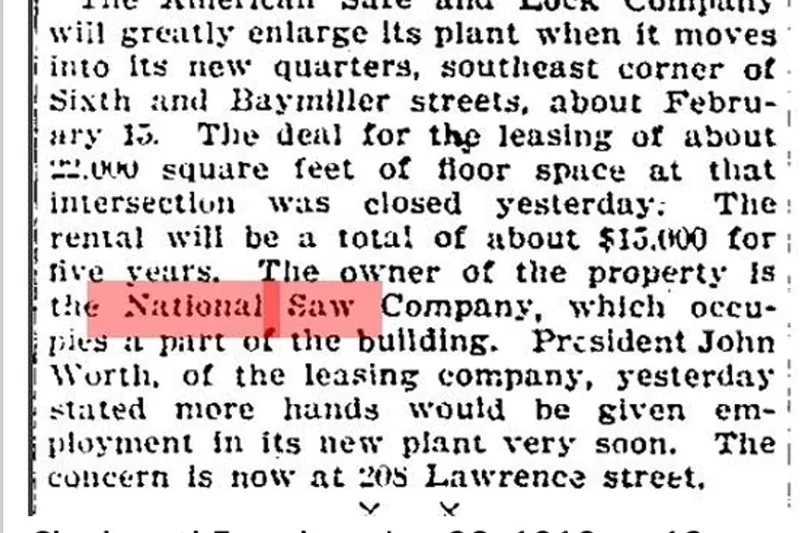
National Saw Company Expansion
- 1914
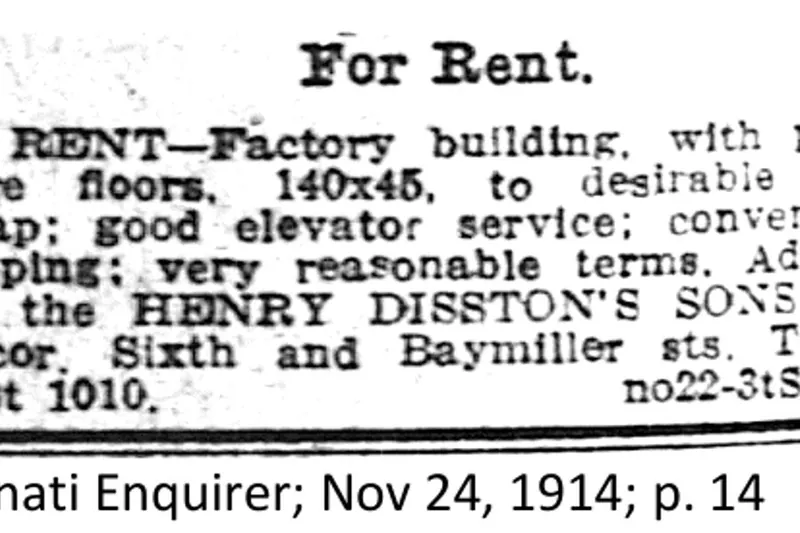
Tower Lease Ad
Charmingly similar to our own pitch!
- 1919
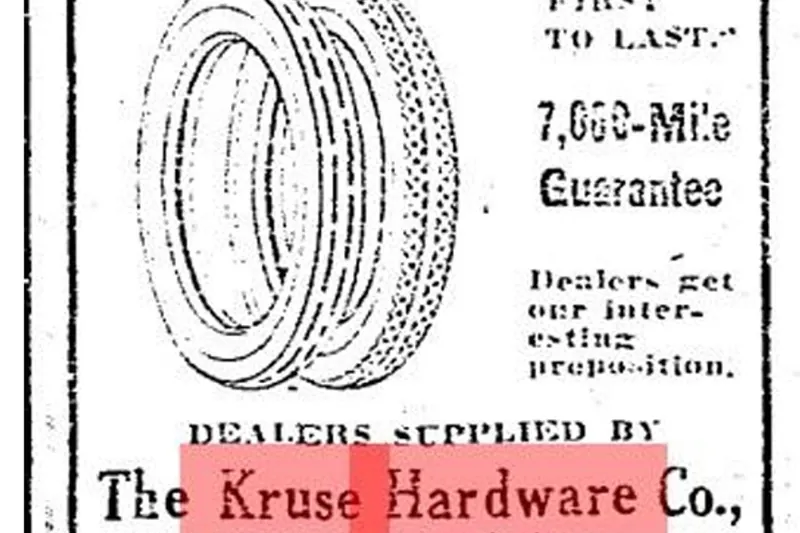
Kruse Tire Ad
- 1920
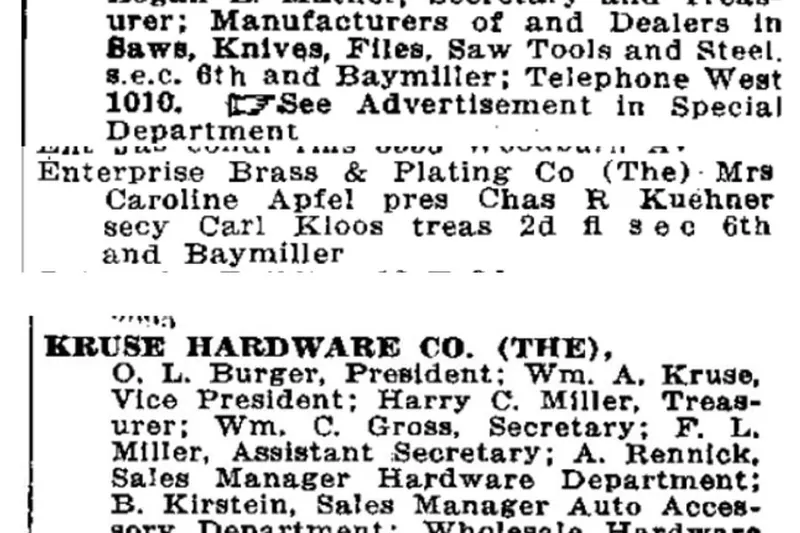
Kruse Directory Listing
- 1922
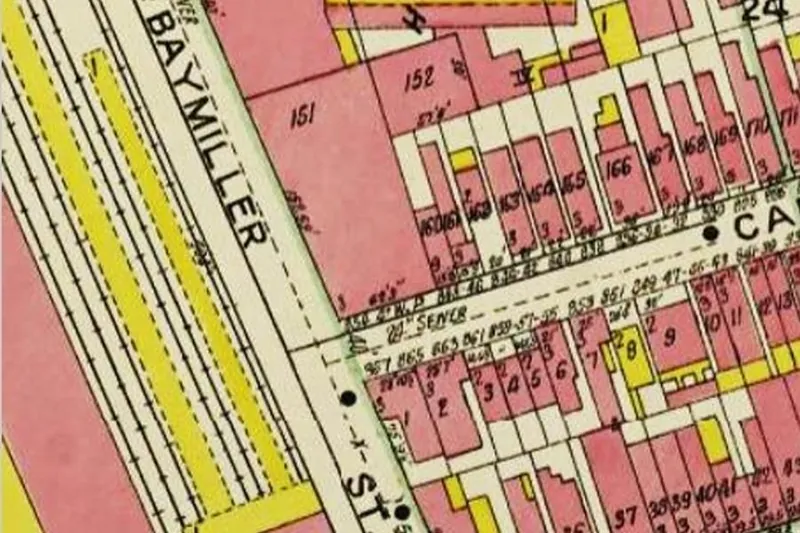
Sanborn Insurance Map
- 1929
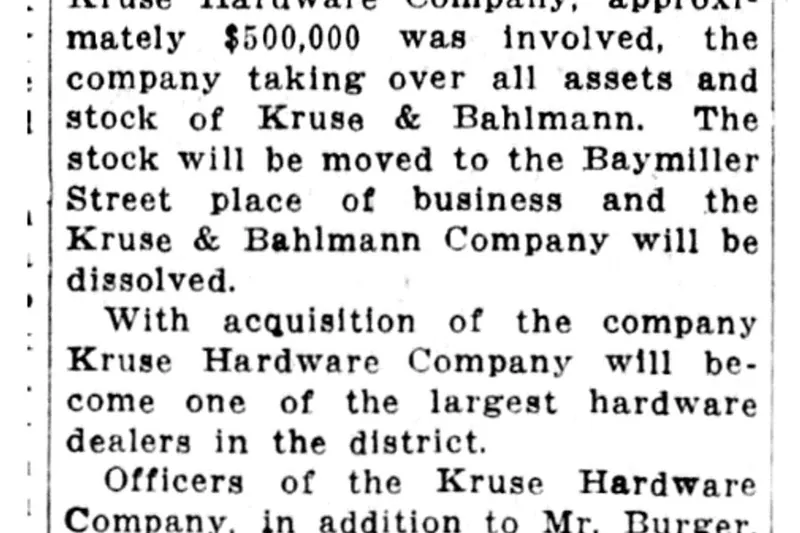
Hardware Companies Merge
- 1930
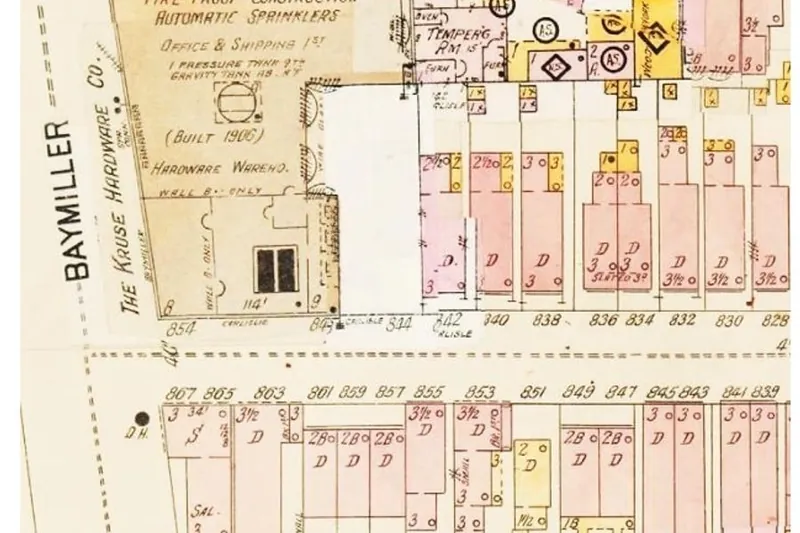
Sanborn Insurance Map
- 1936
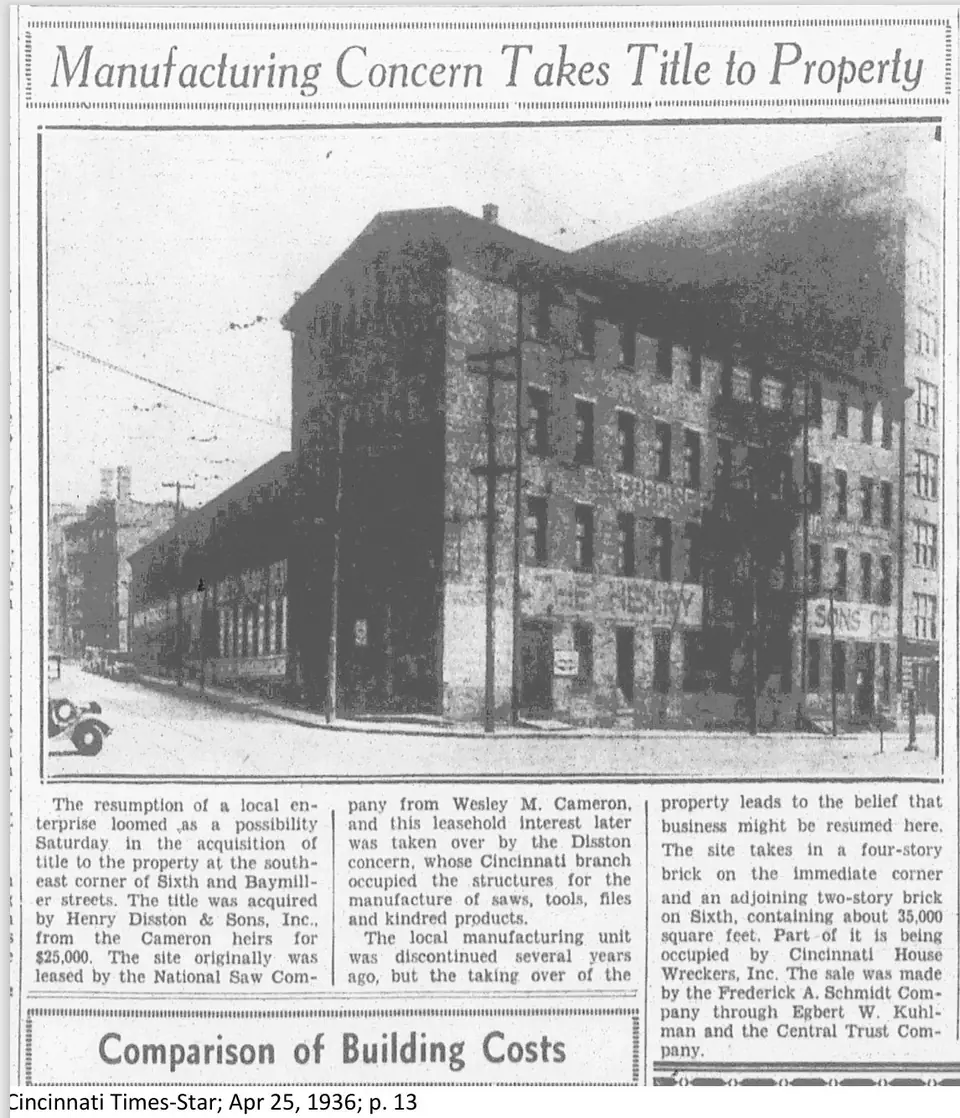
View from 6th & Linn (Today) on North Parking Lot
- 1939
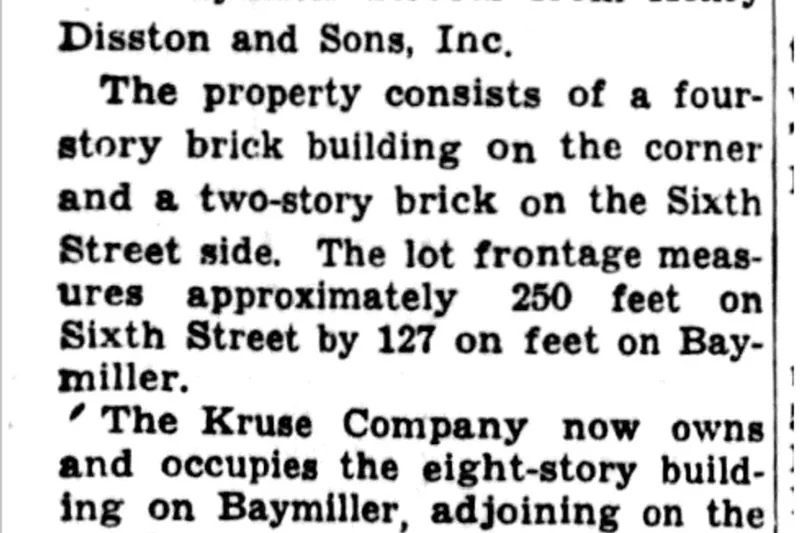
2 Lots Purchased
- 1945
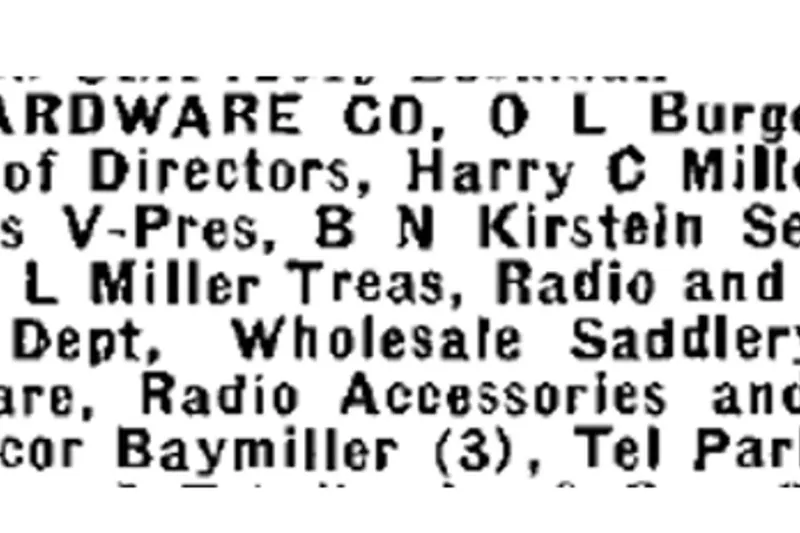
Kruse Directory Listing
- 1950
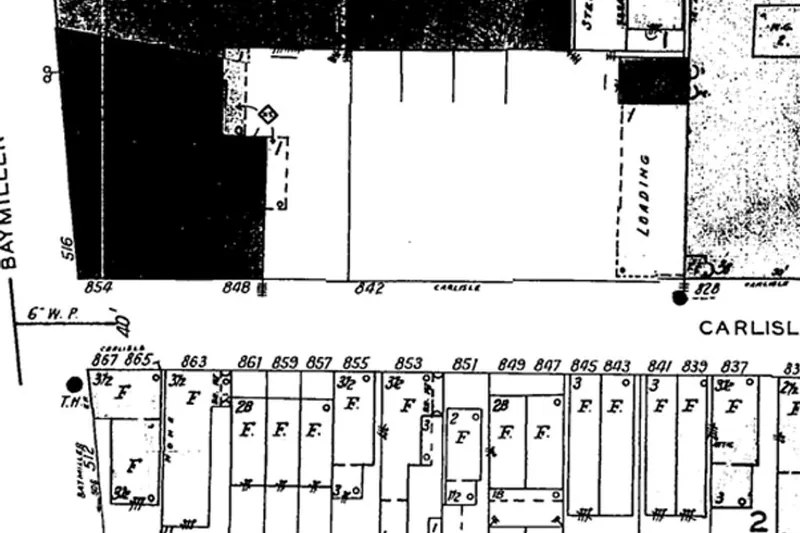
Sanborn Insurance Map
- 1955
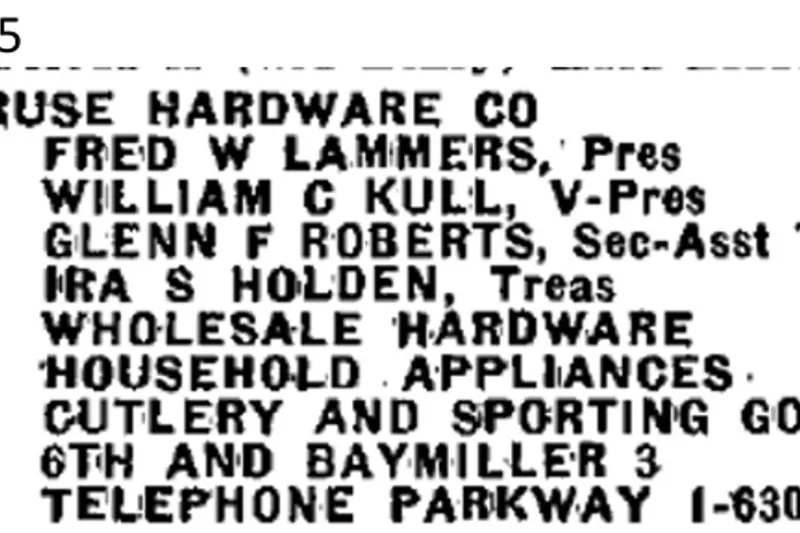
Kruse Directory Listing
- 1960
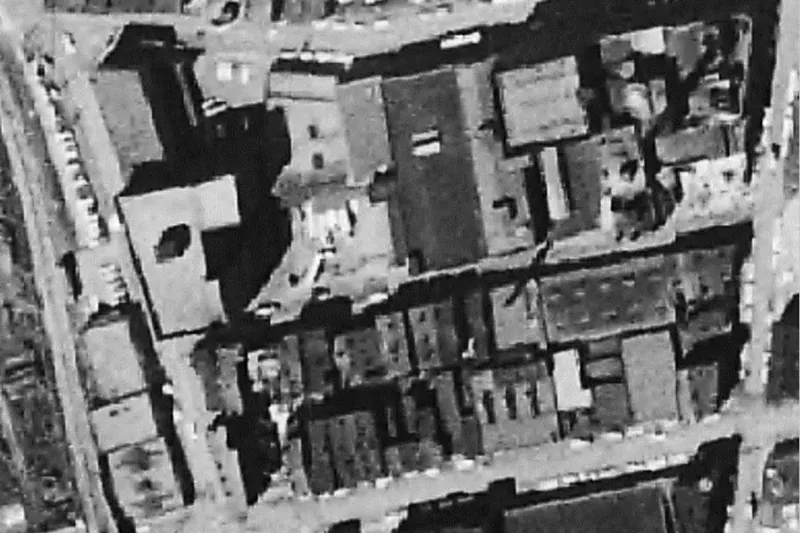
Aerial Photo
- 1964
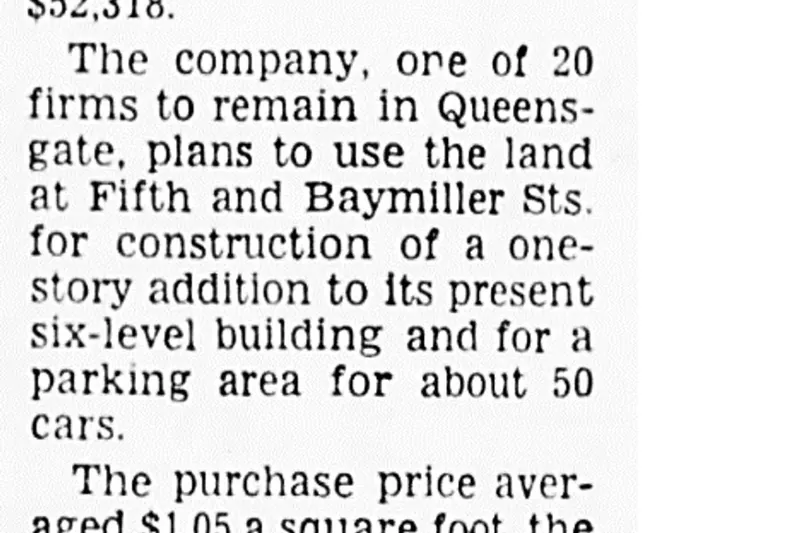
Kruse Purchases Lots at 5th & Baymiller
- 1968
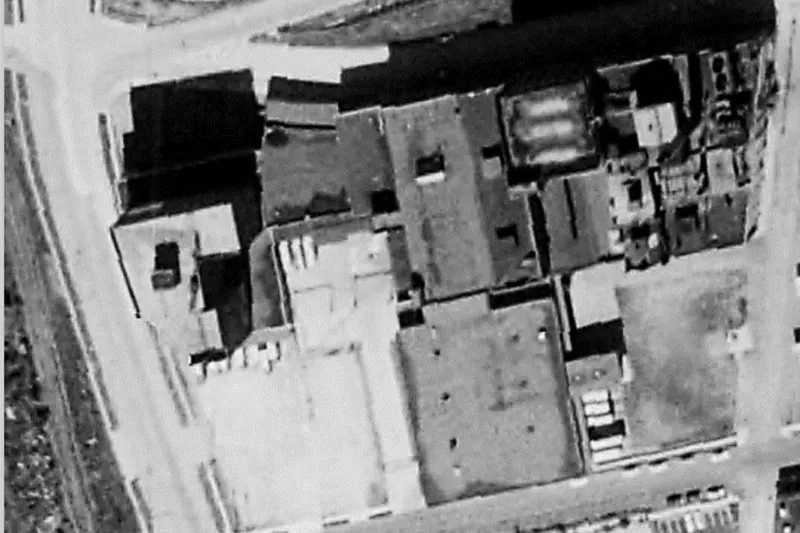
Aerial Photo
- 1973
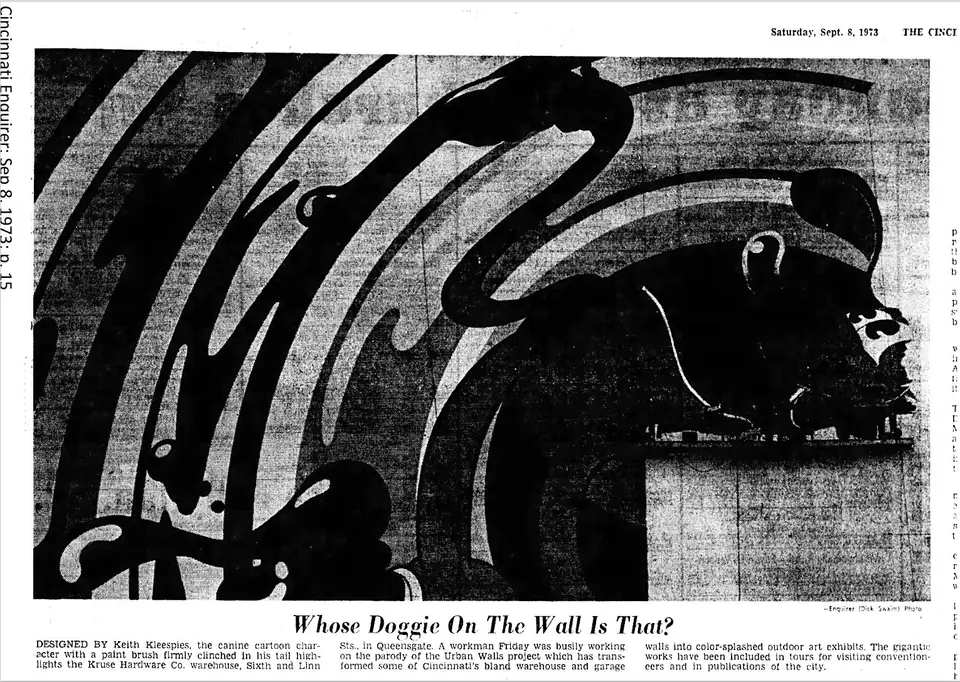
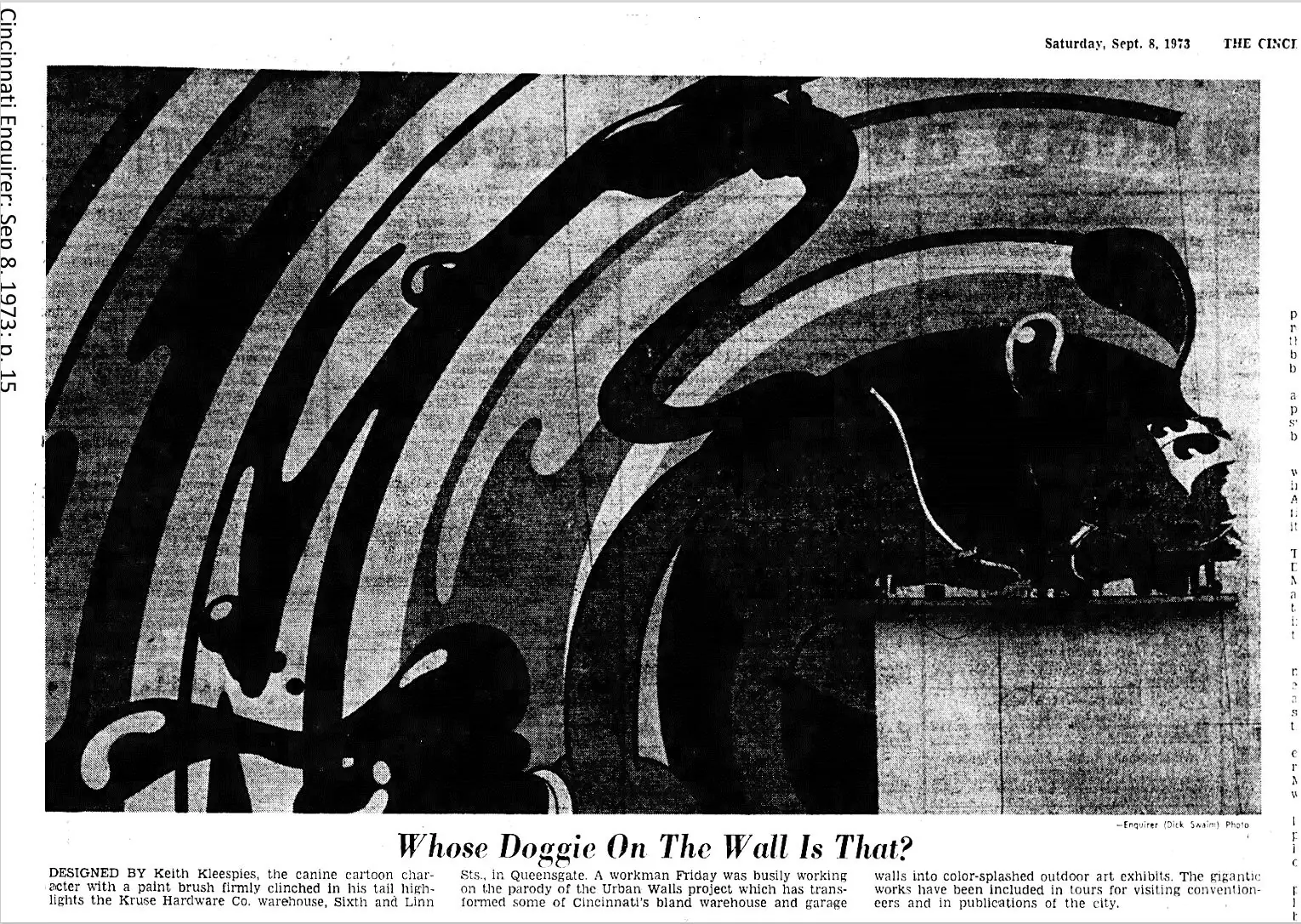
Pluto Mural Erected
- 1984
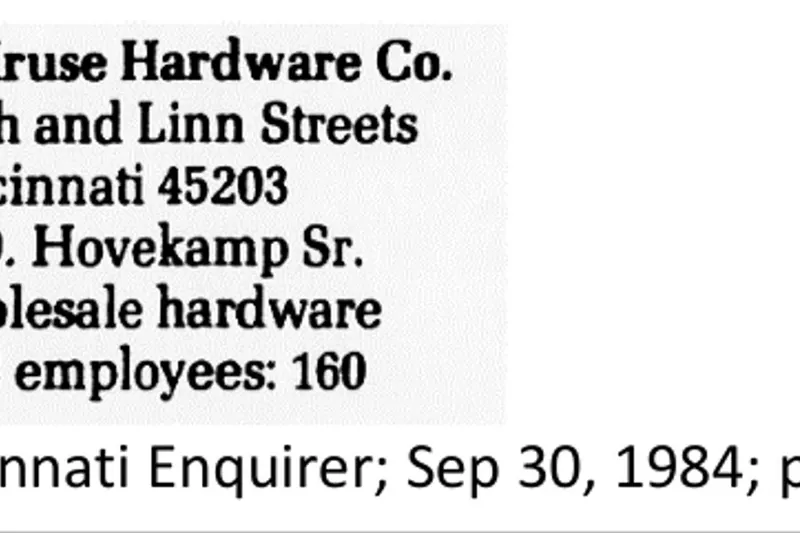
Kruse Directory
- 1987
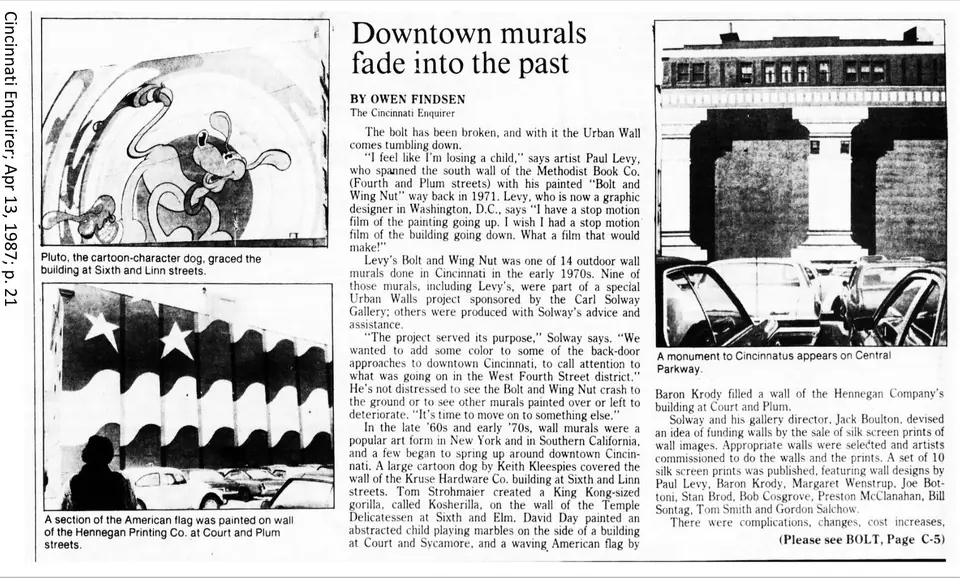
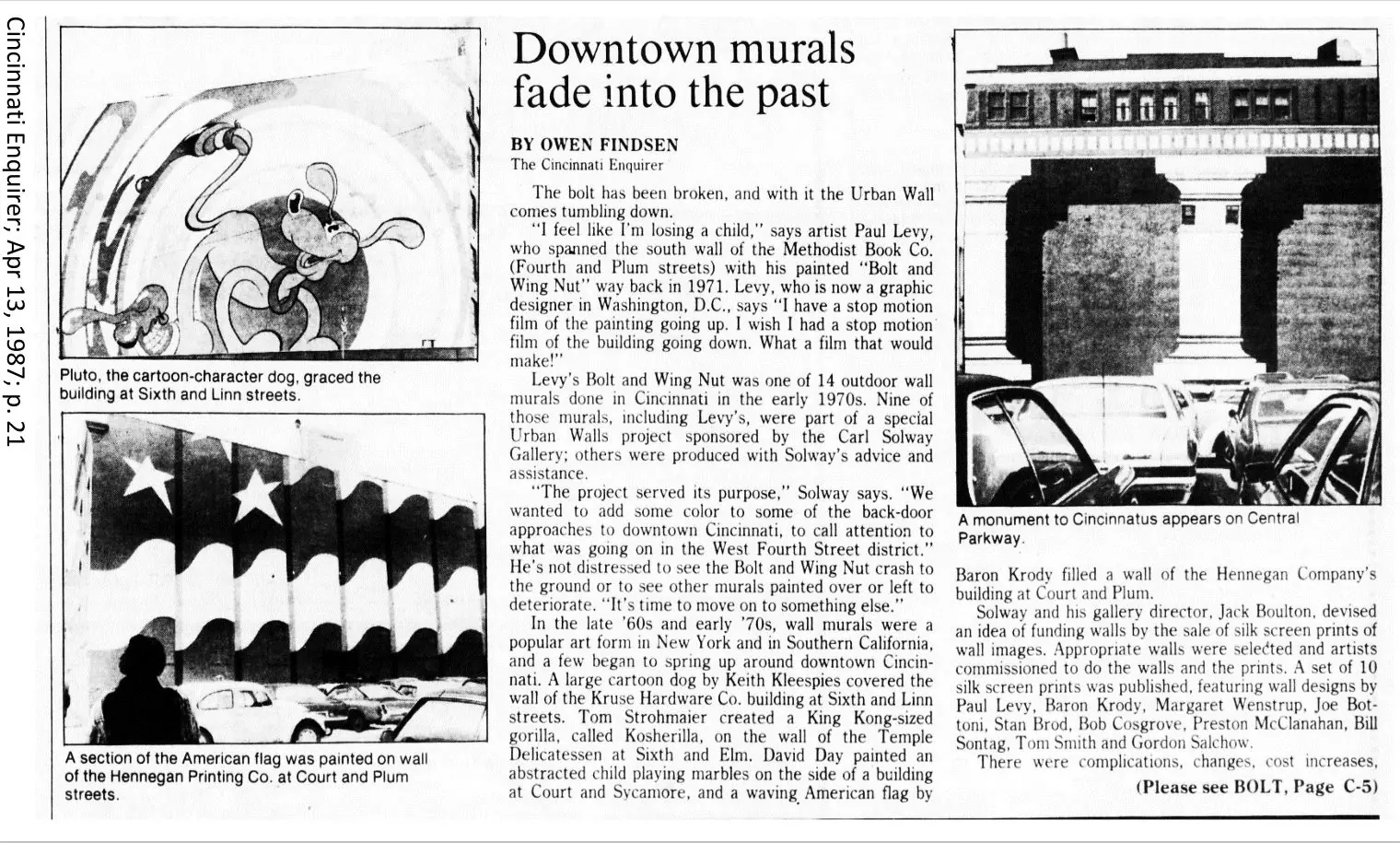
Pluto Fades, Murals Coming Down
516 Linn Street: Incarceration, 1990 to 2024
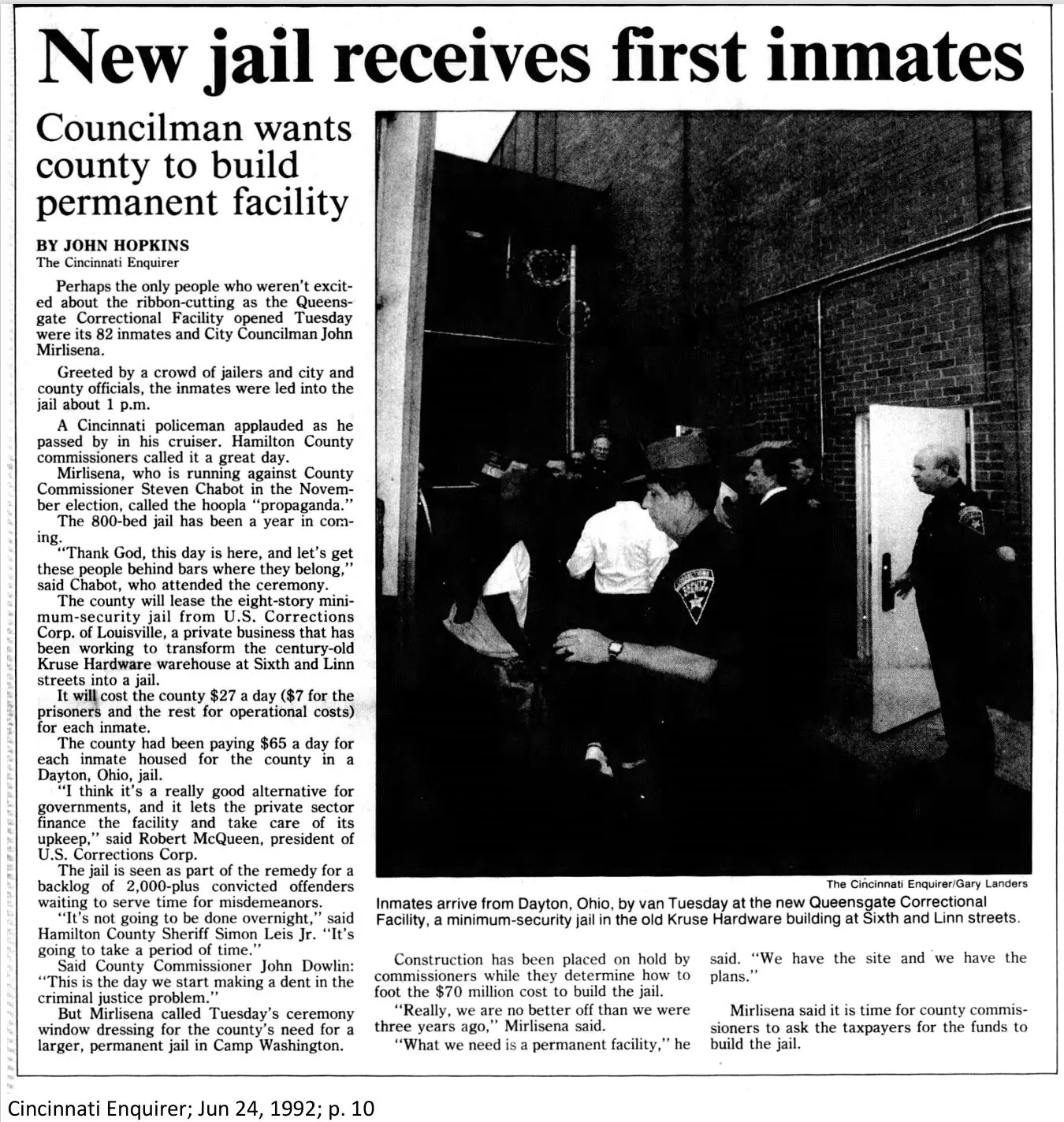
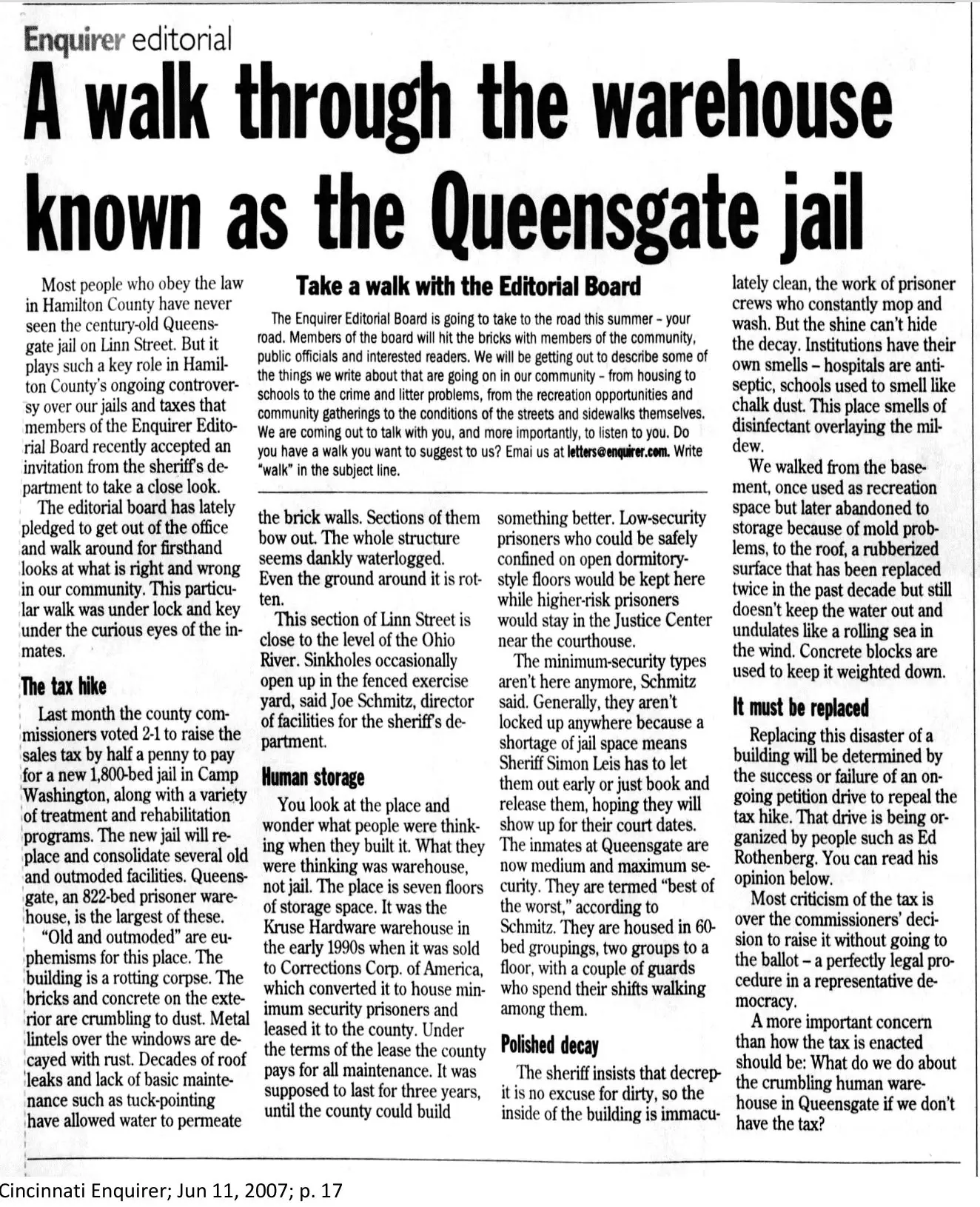
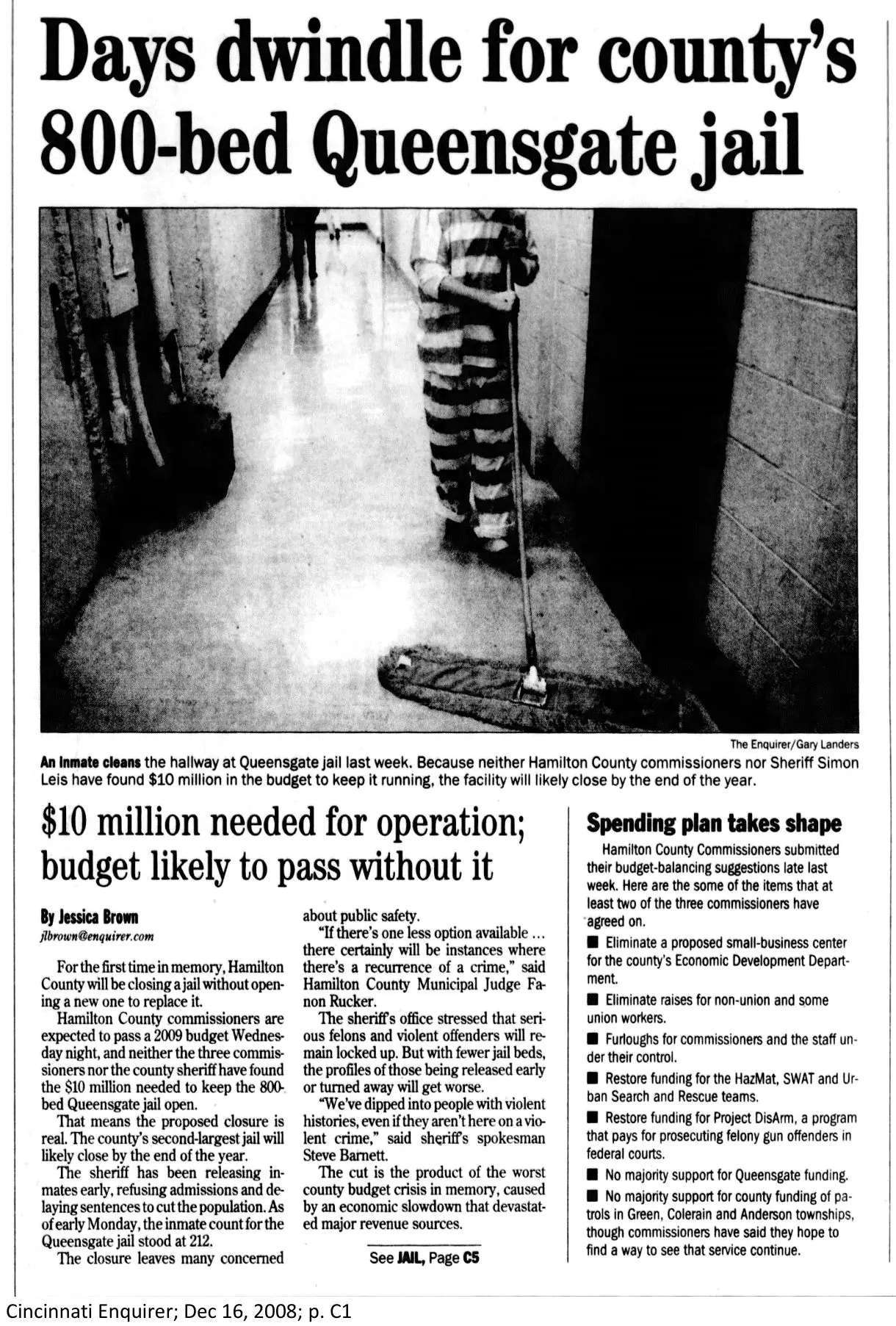
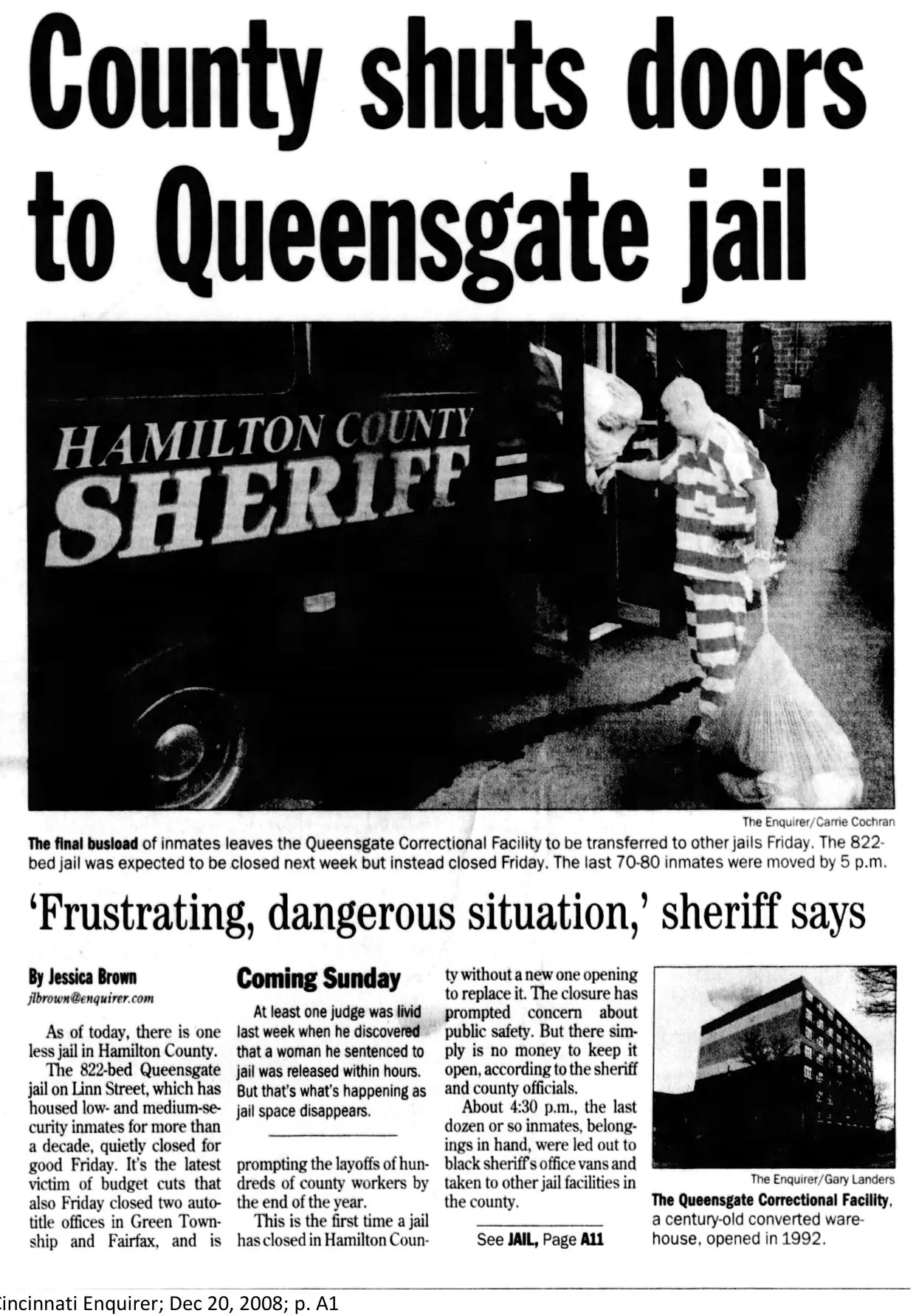
In 1992 the warehouse became a private jail. It closed in 2008 and sat empty but intact until Arrand Development reclaimed it in 2022.
- 1990
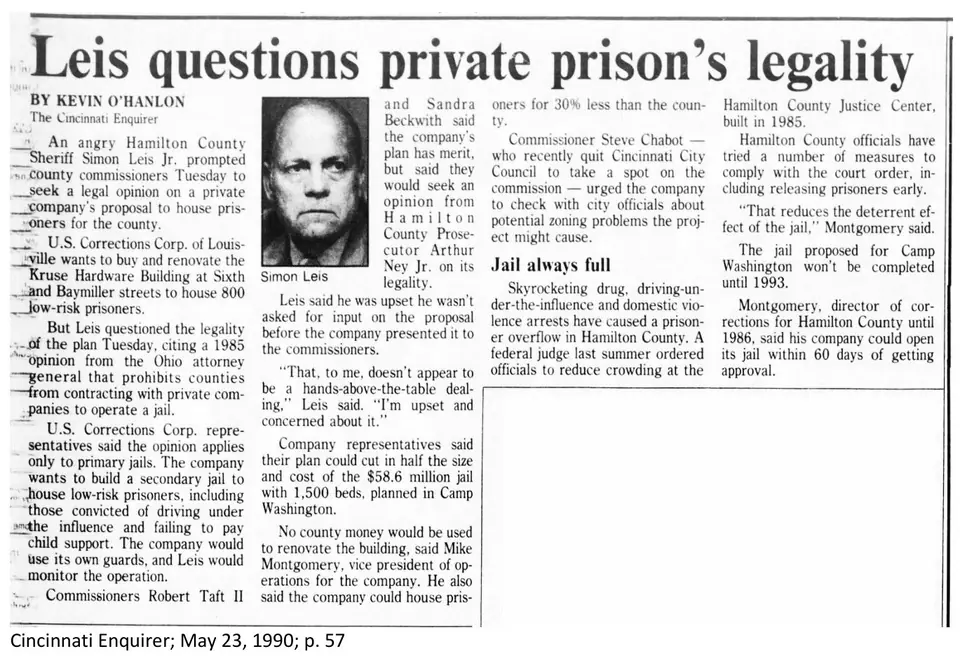
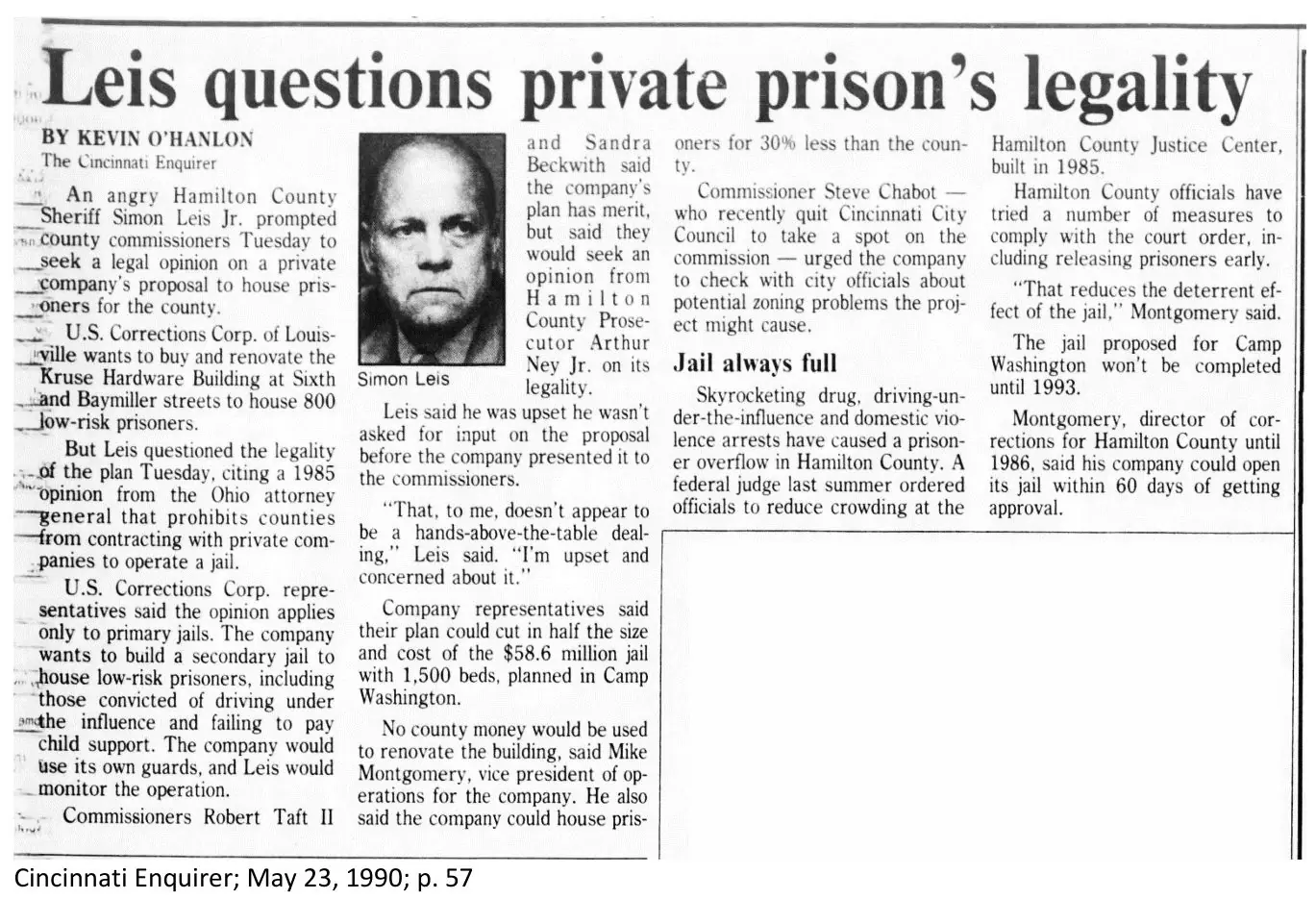
S. Leis Questions Private Prison
- 1990
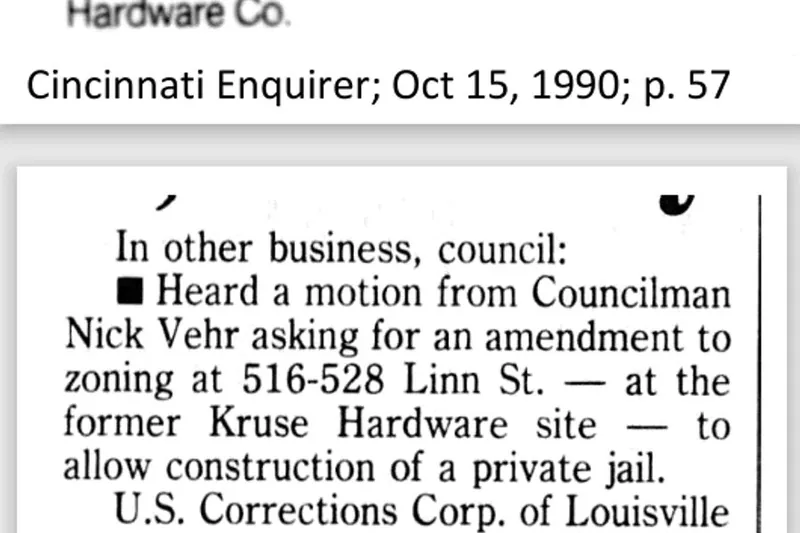
Zoning Changes for the Jail
- 1991
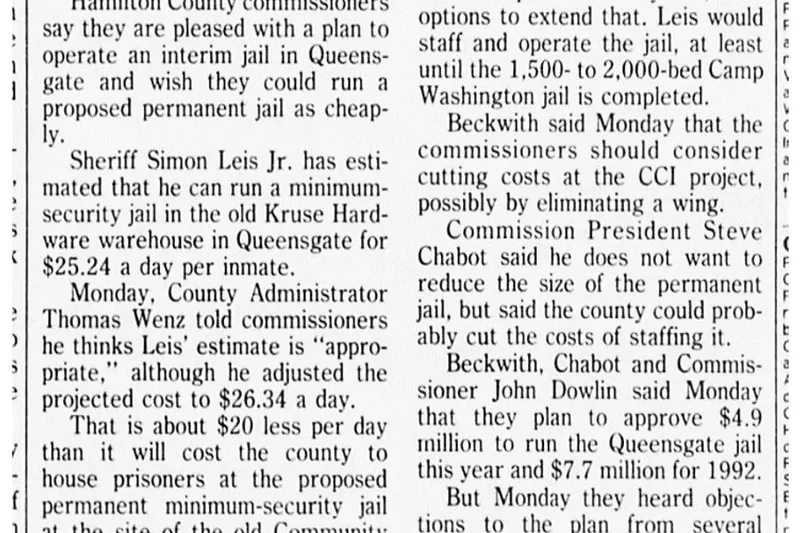
Commissioners Praise Plan for Jail
- 1991
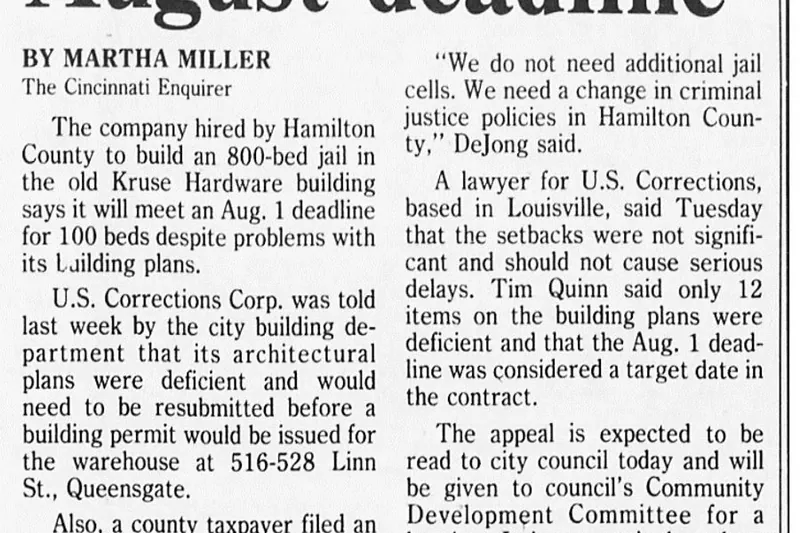
Jail Faces Criticism
- 1992
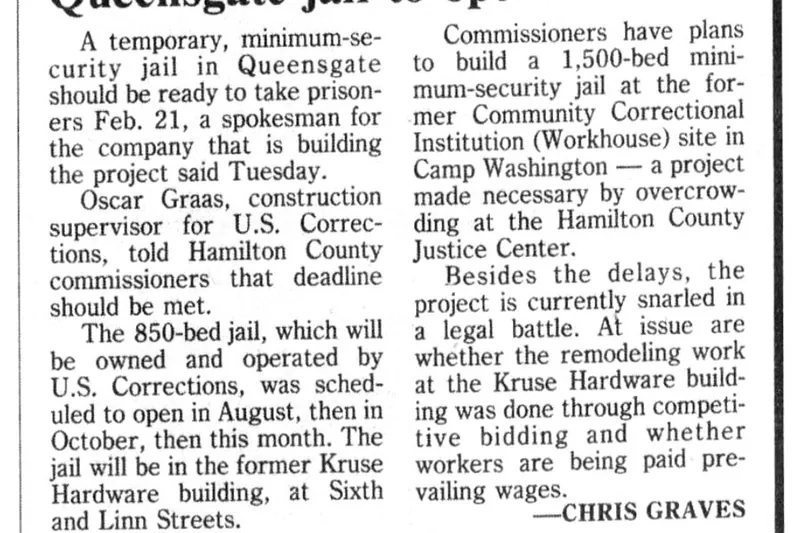
Jail to Open
- 1992
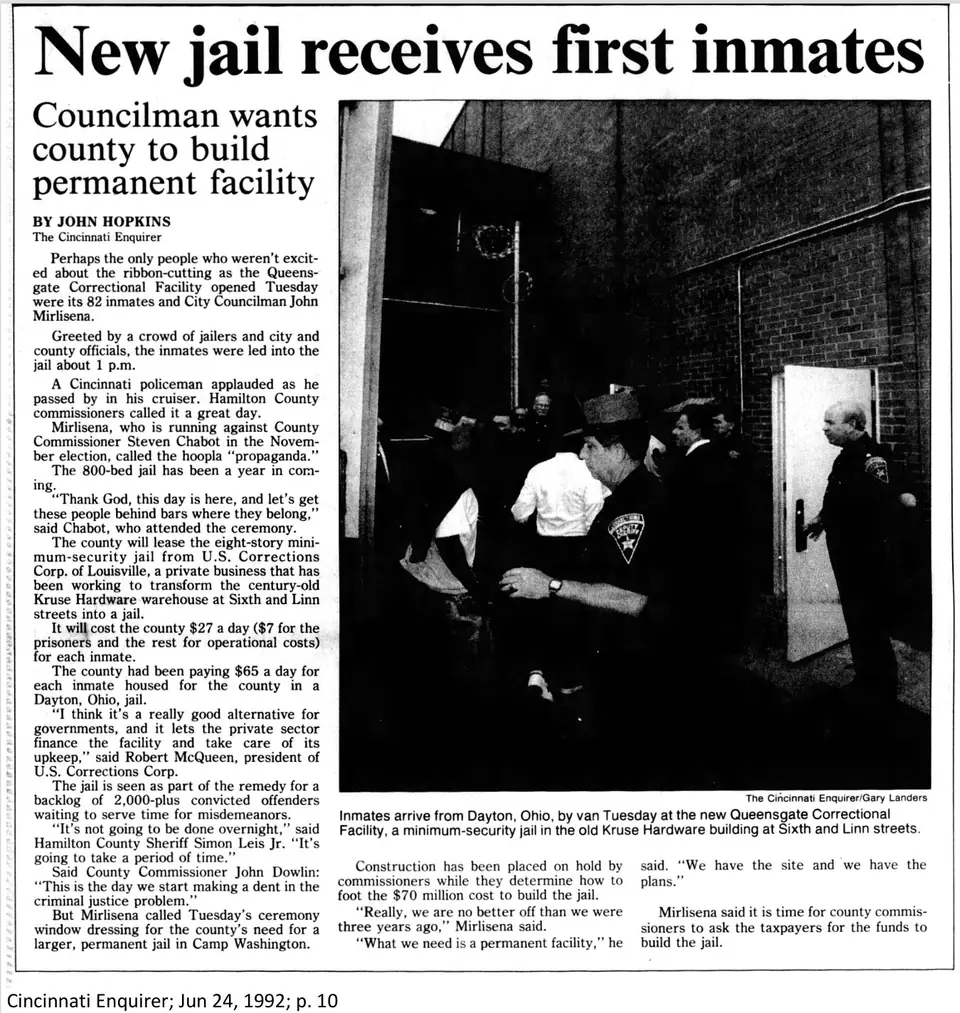
Jail Receives Inmates
- 1996
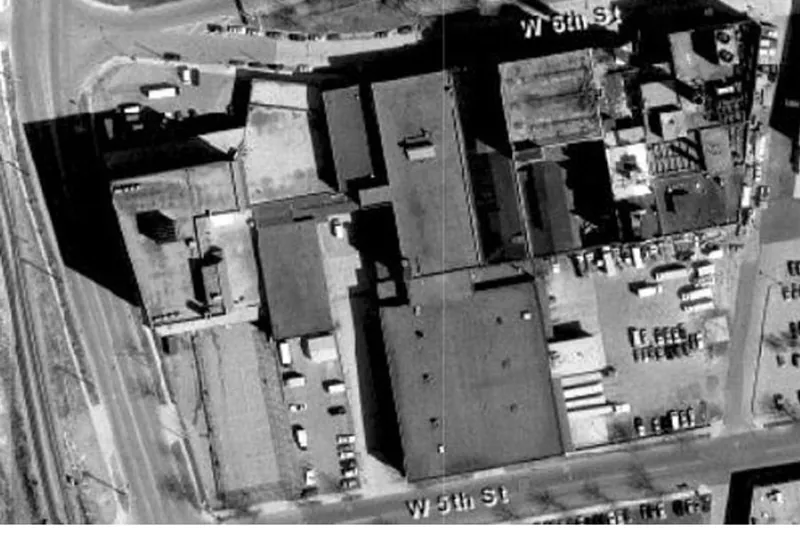
Aerial Photo
- 2007
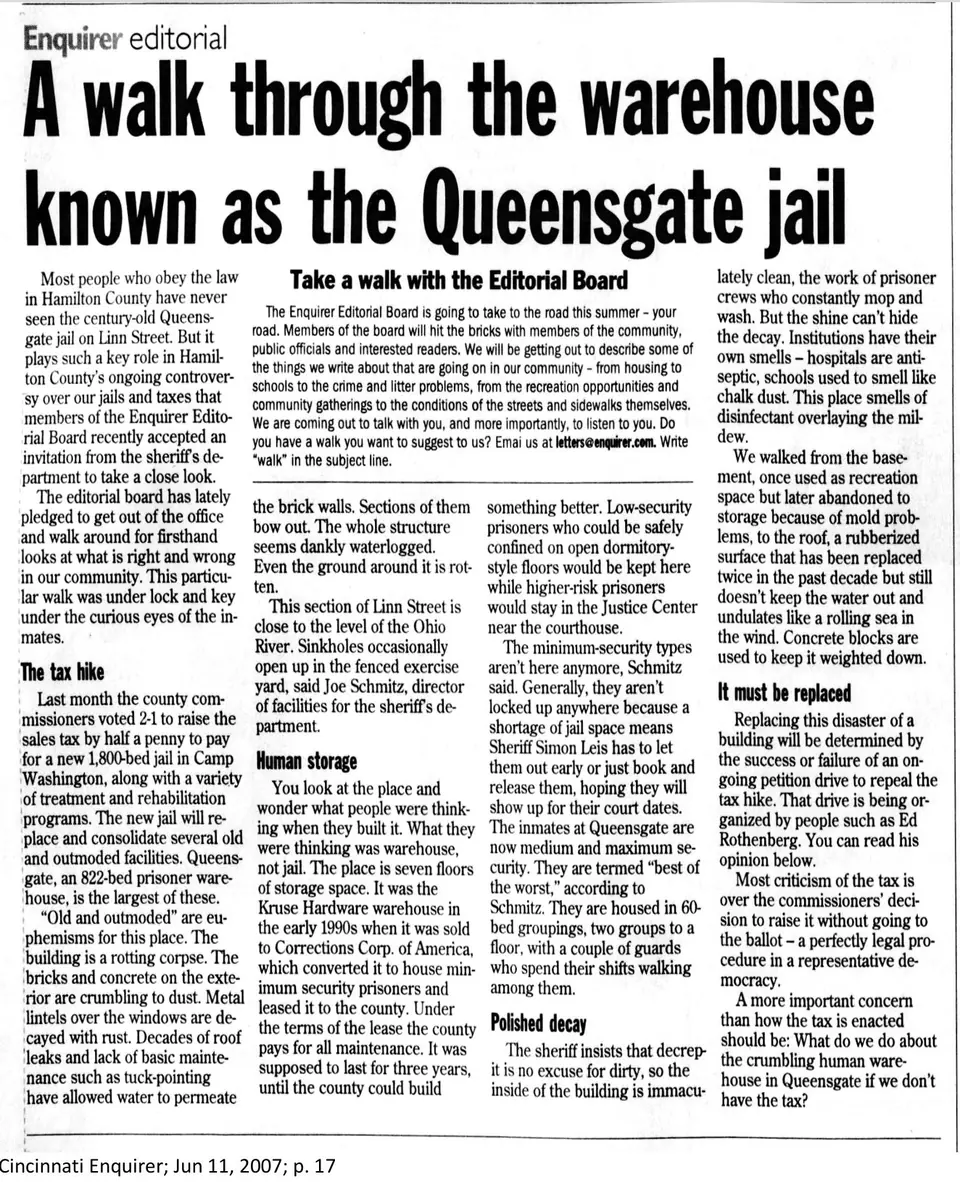
Editors Walk the Jail
- 2007
Enquirer Jail Photo
- 2008
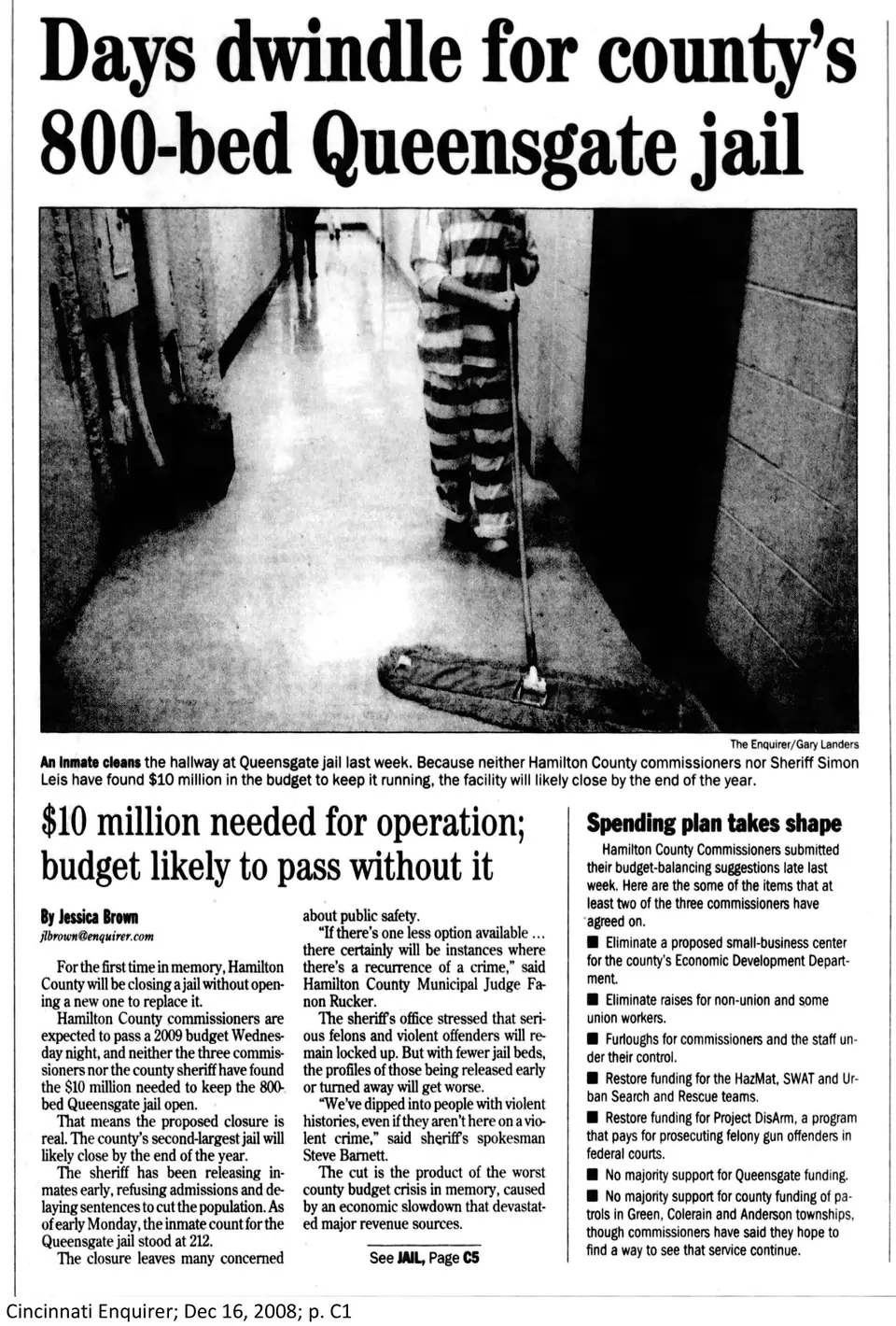
Days Dwindle for Jail
- 2008
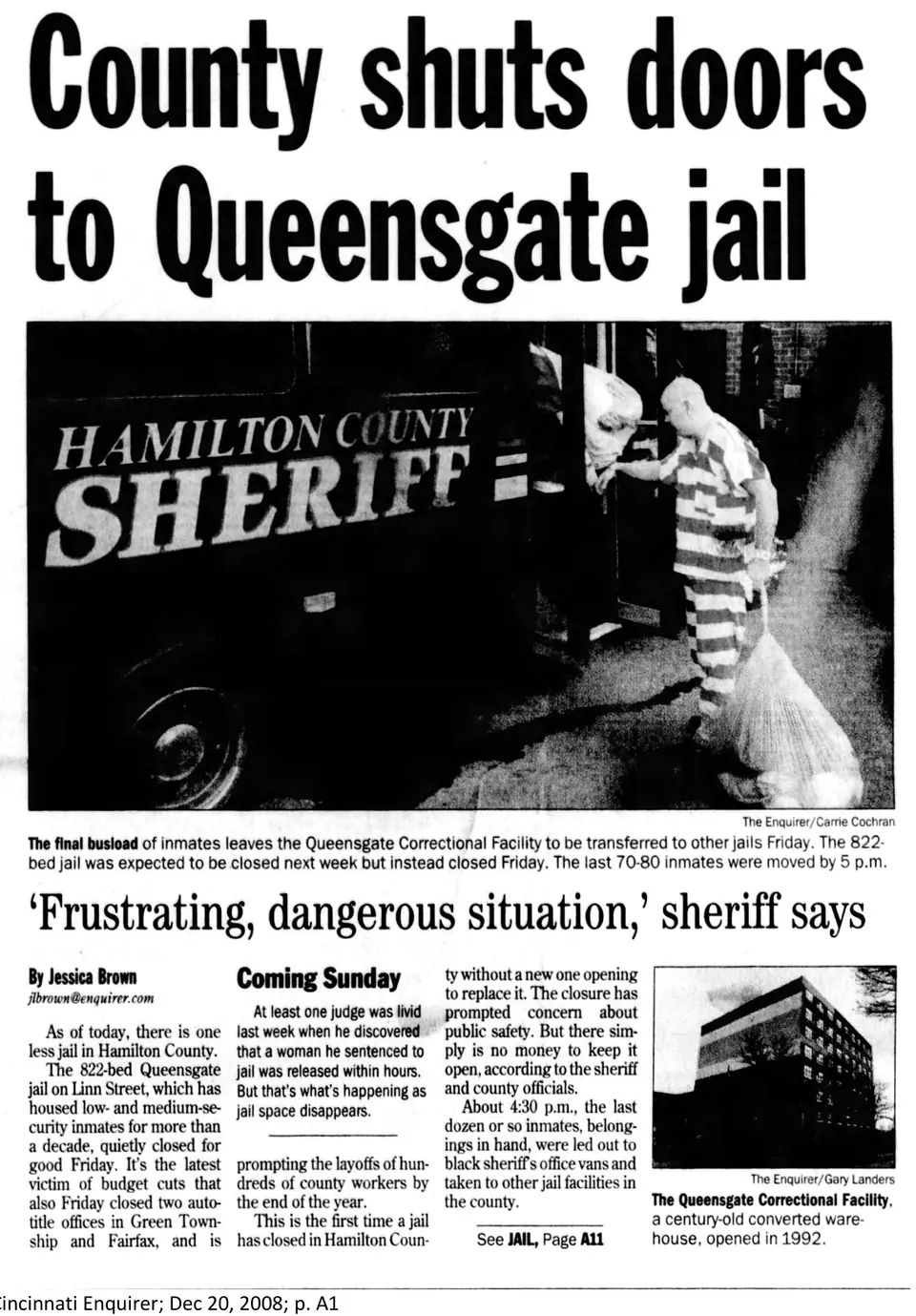
County Closes Jail
- 2010
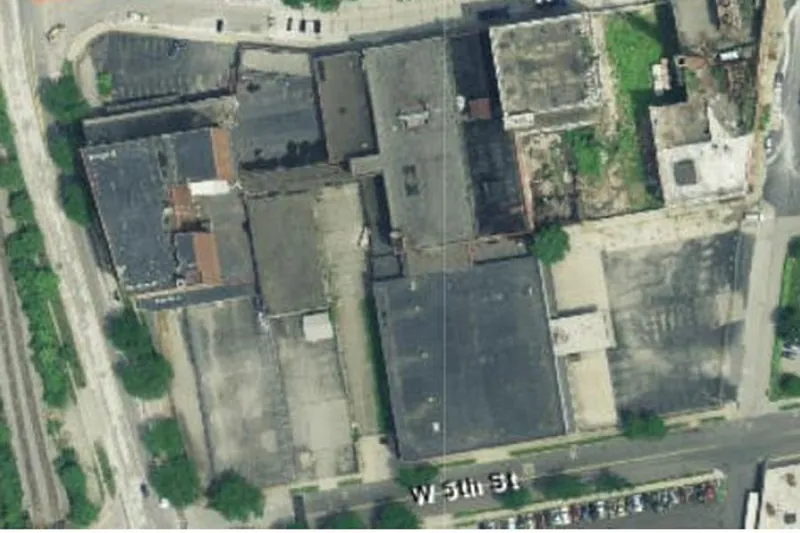
Aerial Photo
- 2020
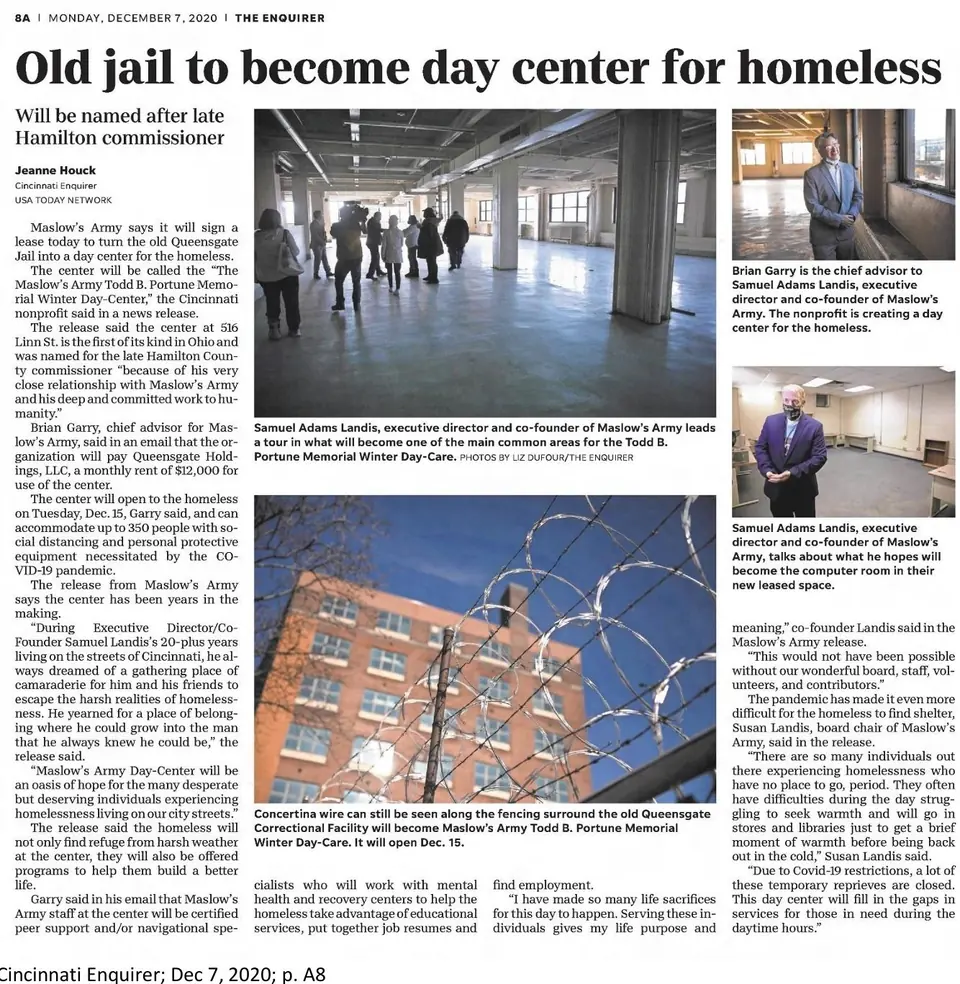
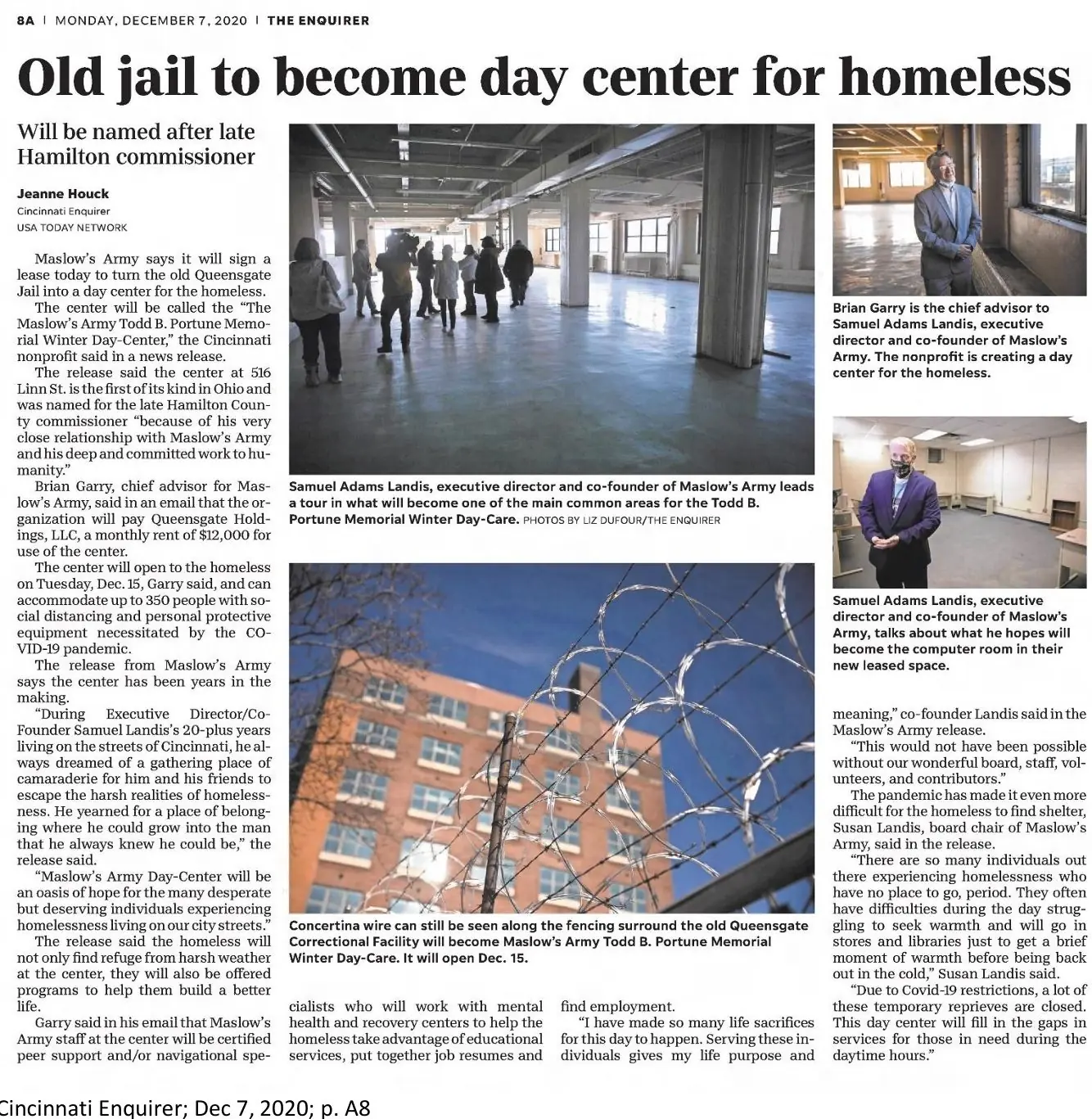
Jail to Become Day Center
- 2024
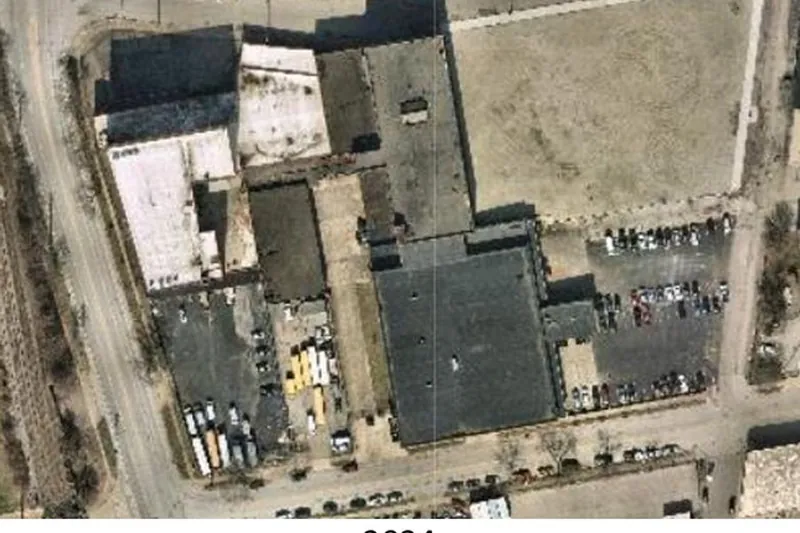
Aerial Photo
516 Linn Street, quick answers
What was LINNcinnati before it was studios?
The building at 516 Linn Street was warehouse space, long home to Kruse Hardware Company. In 1992 it became a private correctional facility, which closed in 2008.
When was the building built?
By 1906 much of the current 8-story tower was built and leased to several operators as warehouse space. The site itself dates back to Hathaway's Subdivision (1855).
Who turned the old jail into LINNcinnati?
Arrand Development reclaimed 516 Linn in 2022 and transformed confinement into creativity.
What is at 516 Linn Street today?
LINNcinnati: over 100 affordable studios for artists, makers, and entrepreneurs in Queensgate, Cincinnati.
Community, Affordability, Creativity, and History.
Ready to join our community?
Write the next chapter of 516 Linn. Ask about a studio and we'll get back to you.